Key takeaways
- Heat and humidity encourage extra oil production and the growth of Malassezia, a yeast that lives on everyone's scalp and is linked to dandruff.
- Harsh scrubs and stripping shampoos can make things worse, triggering even more oil.
- Gentle enzymatic exfoliation, steam, thorough cleansing and pH-balancing calm the scalp without aggravating it.
- Persistent, red or painful flaking deserves a dermatologist's opinion. A head spa works best alongside medical care.
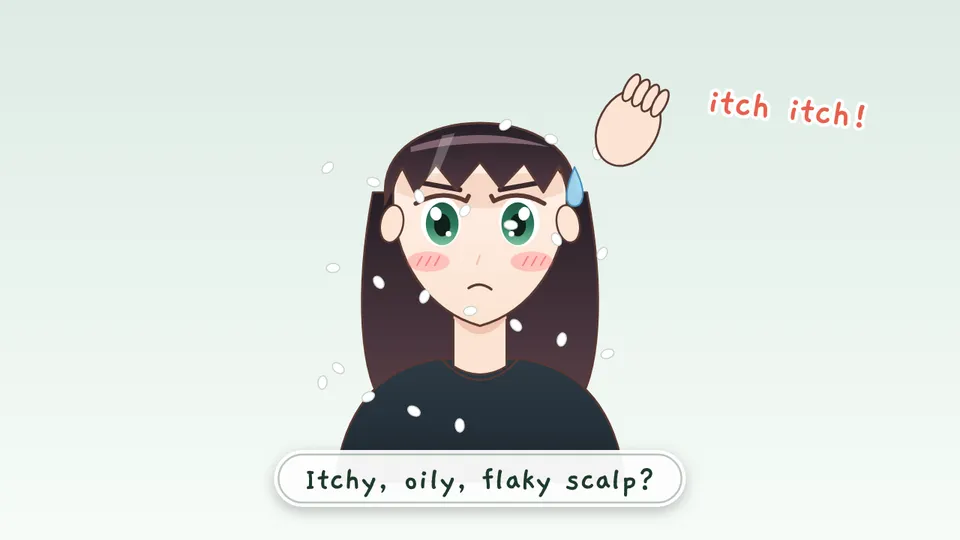
You wash your hair in the morning and by afternoon in Seminyak the roots feel greasy. By evening your scalp is itchy. A few days in, little white flakes appear on your shoulders. If this sounds familiar, you're far from alone. Oily scalp and dandruff are two of the most common complaints we see from visitors and expats across Seminyak, Canggu and Kerobokan.
It's not about hygiene. It's about climate, biology and, quite often, using the wrong products. Let's look at what's really going on.
How the tropical climate affects your scalp
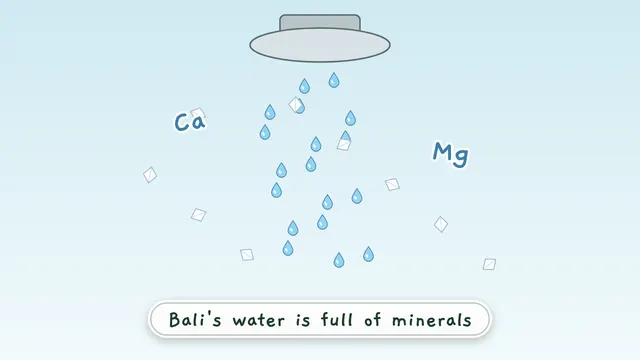
Your scalp has more oil glands than almost anywhere else on your body. In hot, humid weather they often produce more sebum, and that sebum feeds Malassezia, a yeast that naturally lives on everyone's skin. In some people, Malassezia breaks sebum down into irritating fatty acids. The scalp responds with inflammation, itching and faster skin-cell turnover, which shows up as flakes.
Heat
Warmth increases oil and sweat production, giving yeast more to feed on.
Humidity
Moisture stays on the scalp longer, creating a warm, damp environment where yeast thrives.
Sunscreen and hats
Sunscreen, sweat and helmets trap oil and residue against the scalp.
Over-washing
Harsh shampoos strip the scalp, and it can respond by producing even more oil.
Oily dandruff vs dry flakes
| Sign | Oily dandruff | Dry scalp flakes |
|---|---|---|
| Flake type | Larger, yellowish, slightly greasy | Small, white, powdery |
| Scalp feel | Oily, itchy, sometimes red | Tight, dry, itchy |
| Common in Bali when | Humid weather, sweat, heavy products | After sunburn or harsh shampoos |
| What helps | Gentle exfoliation, balancing, anti-yeast care | Hydration, barrier repair, gentle cleansing |
Many people in Bali actually have a mix of both: oily roots with a dry, sun-stressed parting. That's why a proper scalp analysis matters before choosing a treatment.
Exfoliation vs harsh scrubs
It's tempting to scrub an itchy, flaky scalp hard. Unfortunately, gritty physical scrubs and fingernails can cause micro-damage and inflammation, and send oil production up again. Japanese scalp care favours a gentler approach:
| Gentle enzymatic exfoliation | Aggressive physical scrub | |
|---|---|---|
| How it works | Dissolves the bonds between dead cells | Grinds flakes off by friction |
| Irritation risk | Low | Higher |
| Effect on oil | Helps the scalp rebalance | Can trigger rebound oiliness |
| Suits sensitive scalps | ✓ | ✕ |
Micro-mist and light therapy
Warm micro-mist steam softens built-up sebum and loosens flakes so they rinse away easily, without scratching. Some modern scalp care also uses LED light. Blue light in particular has been studied for its antibacterial properties on skin, though evidence for the scalp is still emerging. Whatever tools are used, the principle stays the same: cleanse thoroughly, calm the inflammation, and never attack the scalp.
The massage that follows improves comfort and circulation, and the water halo rinse makes sure no residue is left behind to feed the cycle again.
pH restoration: rebuilding the acid mantle
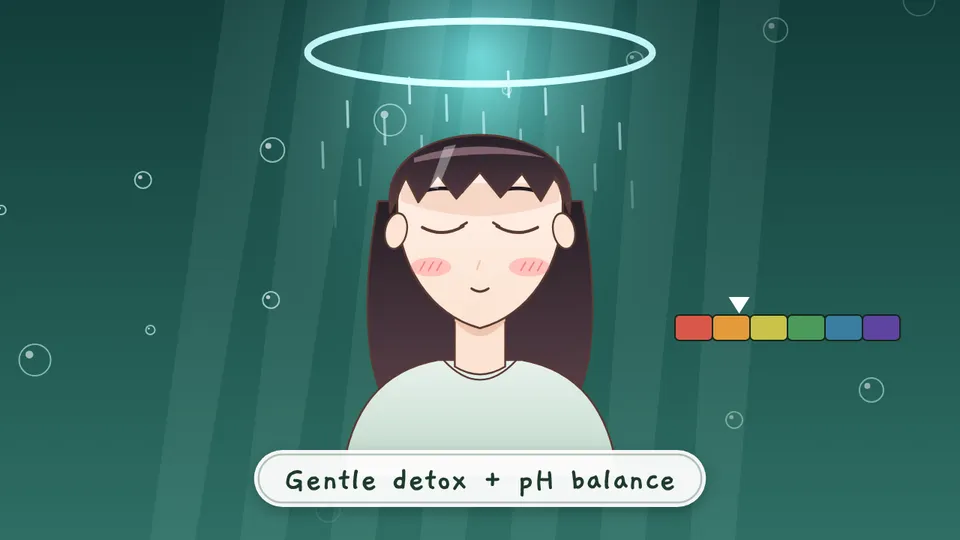
Healthy scalp skin is slightly acidic, sitting at roughly pH 4.5–5.5. This "acid mantle" helps keep microbes in balance and the cuticle smooth. Alkaline soaps, hard water and some shampoos push the pH up, which can upset that balance.
Where your scalp should sit
The pH scaleA pH-balancing rinse at the end of a head spa helps return the scalp to its happy, slightly acidic zone.
Your oily-scalp routine for Bali
- 1Daily
Cleanse gently, rinse well
Use a mild, sulfate-free or anti-dandruff shampoo, focus on the scalp, and rinse for longer than you think you need to.
- 2Daily
Condition the ends only
Keep conditioners and oils away from the roots in hot weather.
- 3After sweat or surf
Rinse promptly
Don't let sweat, salt and sunscreen sit on your scalp for hours. Rinse with fresh water.
- 4Every 2–3 weeks
Professional scalp detox
An active-regulation phase of head spas helps reset an oily, flaky scalp. See our frequency guide.
Dry your scalp properly after washing, with a cool blow-dry if you can. Going to bed or sitting under a helmet with a damp scalp in Bali's humidity is a recipe for itching.
flaking is thick, crusted, very red, painful, bleeding or spreading to your face or ears, or doesn't improve within a few weeks. Conditions like seborrhoeic dermatitis or psoriasis benefit from medical treatment.
Say goodbye to itch and flakes
A Japanese head spa won't "cure" dandruff forever. Nothing does, because it's a tendency rather than an infection. But it's one of the most effective and enjoyable ways to bring an oily, flaky, itchy scalp back into balance in a hot climate. Find us in Seminyak, just minutes from Canggu. Want shine as well? Read why scalp health comes first.